

AD – Guest post. Creating an efficient small office layout can significantly improve productivity, whether you work alone or with a team. It’s important to make the most of every square metre while ensuring a pleasant working environment. Here are several strategies to optimise your small office space. They work whether you’re renting office premises or using a home office.
Assess Your Space
Before making any changes, take a good look at your current office layout. Measure the space and note where windows and doors are located. It can help to draw a rough floor plan to note plug socket locations or fixed furnishings, as well as the position of doors and windows.
- Determine where people frequently walk and make sure those areas are clear and easily accessible.
- Look for items that can be removed or repurposed. A clean space cultivates a more productive atmosphere.
Assessing the space you have right now means you can decide what changes to make and where to focus your efforts.
Choose the Right Furniture
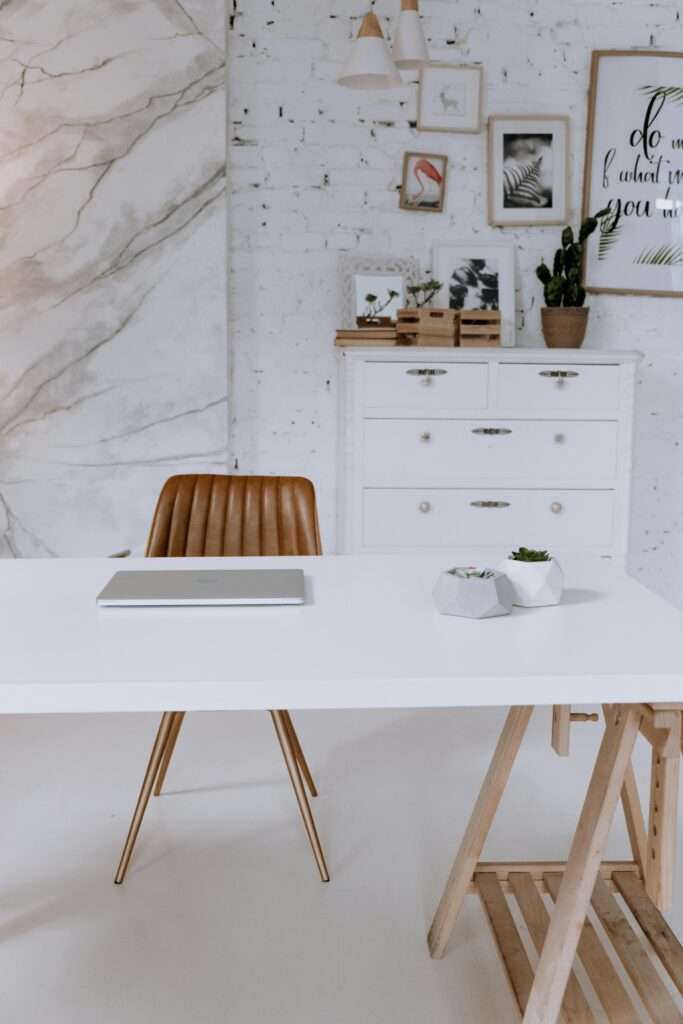
The right furniture can make a world of difference in a small office. When you’re renting a business space, look for flexible offices that allow you to determine your preferred layout, then furnish it with pieces that meet your workday needs.
- Look for desks that can double as storage units or tables that can be expanded as needed.
- Use shelves and cabinets that go up rather than out. This maximises limited floor space and keeps items organised.
Consider modular pieces that can be easily moved or reconfigured. Flexibility is key in a small space, allowing you to adapt as your needs change.

Define Work Zones
Create distinct areas for various tasks. This separation can help improve focus and organisation.
- Designate areas for concentrated work. Using partitions can help minimise distractions.
- Set up spaces where teams can come together to brainstorm and discuss projects. Comfortable seating and tables encourage interaction.
- Depending on your storage needs, dedicated business storage units might suit you better than trying to keep all stock or equipment in the office area.
Make Use of Natural Light
Natural light has a profound impact on office morale and productivity.
- Ideally, place desks near windows for optimal light exposure.
- Avoid heavy curtains or blinds that block sunlight. Using sheer materials can soften the light without obstructing it while still offering privacy.
If you lack natural light, consider redecorating in pale, neutral colours to brighten up the décor. Some reflective surfaces might also help to bounce the light around and create a brighter atmosphere.
Incorporate Technology Wisely
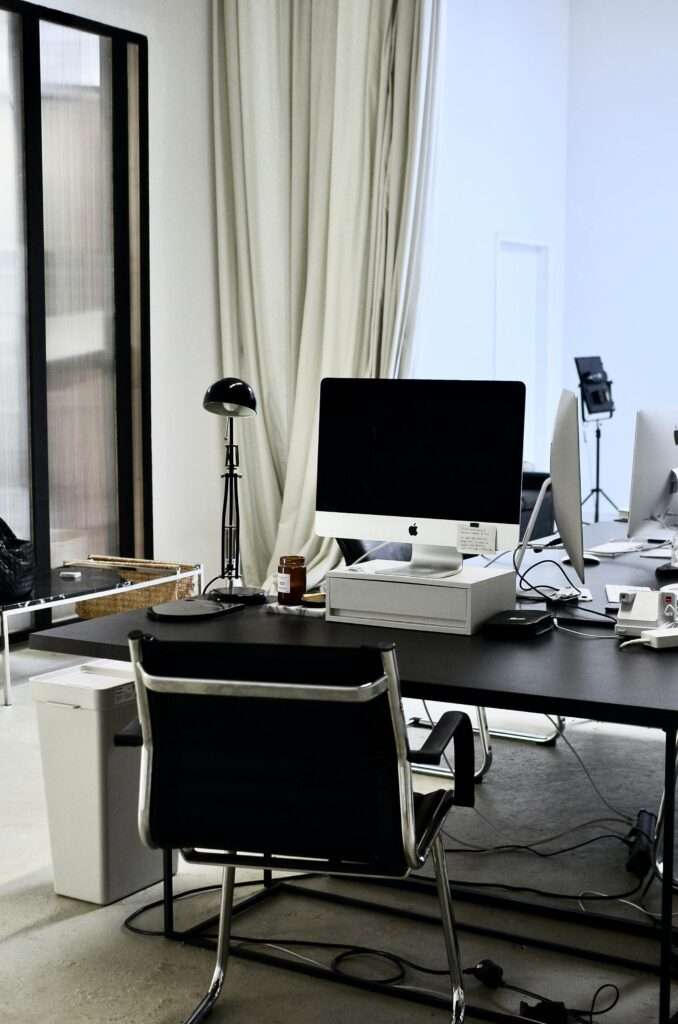
Technology plays a crucial role in office efficiency, but it can also contribute to clutter if not managed properly.
- Cable Management: Use cable organisers to keep wires tidy. This improves the appearance of the office and prevents tripping hazards.
- Cloud-Based Solutions: Wherever possible, use cloud storage to minimise the need for physical files.
Encourage Flexibility
A small office needs to be adaptable to the changing needs of your team. You could consider a hot-desking system where employees do not have assigned desks. This could allow for more efficient use of space, especially if employees work remotely part of the week.
However, bear in mind that humans are territorial creatures, and we like personalisation. Not everyone will produce their best work if they don’t have their own spaces.
If you don’t have room for permanent meeting areas, create a flexible communal zone with foldable tables and stackable chairs. These can be stored away when not needed, allowing you to transform spaces as needed.
See Related: Comparing The Best Portable Triple Monitors For Digital Nomads

Regularly Reassess Your Layout
Office layout should serve your team, or yourself if you work alone.
Encourage team members to share their thoughts on the new layout, such as what works and what doesn’t. They may have insights you hadn’t considered, allowing you to adjust things as needed. If you can stay flexible and respond to feedback, you can continue improving your small office layout long after the initial changes are made.
Finally, Add Personal Touches
Little things matter, even in a working environment. For instance, adding plants and greenery to a space may improve air quality and add a sense of calm. At the same time, art or photographs can make the space feel more welcoming as well as reinforce your brand image.
Creating an office space that works and is pleasant to be in contributes to everyone’s well-being and can help to lower anxiety levels. Whatever changes you make, they can lead to a much more positive work environment.
While you are here, why not check out more of my business posts?
Please support me by sharing this post.


