
AD – Guest post. Understanding how our bodies interact with the ground is the first step toward better long-term health, and choosing the right footwear plays a pivotal role in this process. Many people are moving away from heavily cushioned sneakers and turning toward barefoot shoes to regain a sense of connection and strength that traditional designs often suppress. By prioritising a wide toe box, zero-drop soles, and maximum flexibility, these minimalist options allow the foot to behave as nature intended, fostering a more conscious and efficient gait in both urban environments and rugged trails. Read on to discover the journey into natural movement.
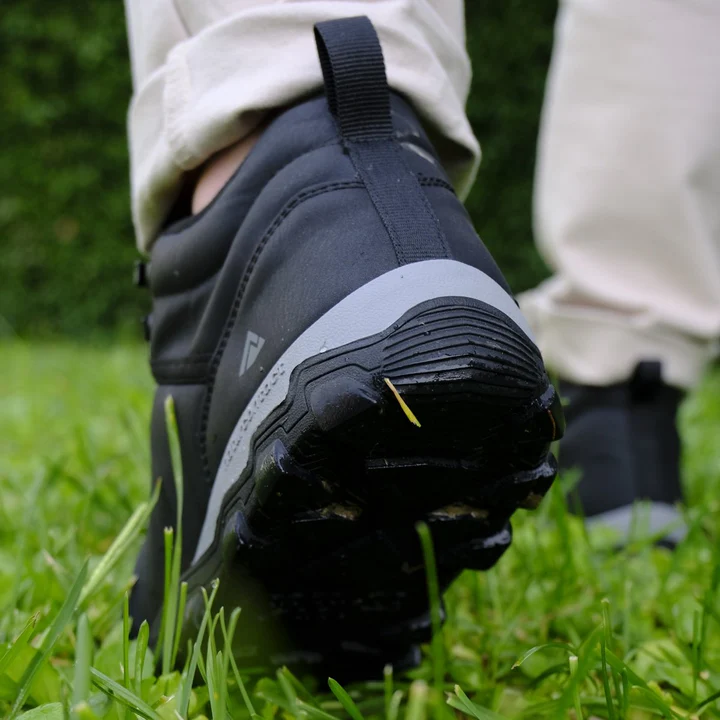
The Philosophy of Minimalist Footwear
For decades, the footwear industry has prioritised maximum cushioning and rigid arch supports, operating under the assumption that the human foot requires external stabilisation. However, recent biomechanical insights suggest that over-protecting the foot can actually lead to the weakening of intrinsic muscles.
Minimalist shoes are designed to reverse this trend. They focus on anatomical accuracy rather than aesthetic exaggeration. By removing the elevated heel—a standard feature in most athletic shoes—these models promote a neutral spine alignment. When your heel and forefoot are at the same height, your centre of gravity shifts, reducing the compensatory strain often felt in the lower back and hips.
Key Features That Define the Experience
When we talk about natural movement, certain technical specifications are non-negotiable. If you are looking to transition, these are the pillars of the design you should look for:
- Wide toe box: Unlike pointed or narrow shoes that squeeze the metatarsals, a wide toe box allows the toes to splay. This is crucial for balance and propulsion, as the big toe can engage properly with every step.
- Zero-drop sole: This means there is no height difference between the heel and the ball of the foot. It encourages a midfoot or forefoot strike, which is more effective at absorbing impact than the harsh heel-striking common in padded shoes.
- Thin and flexible outsole: A thin sole provides high levels of proprioception—the body’s ability to sense its position and movement. This sensory feedback tells your brain exactly what kind of surface you are walking on, allowing for micro-adjustments that improve stability.
Health Benefits Beyond the Feet
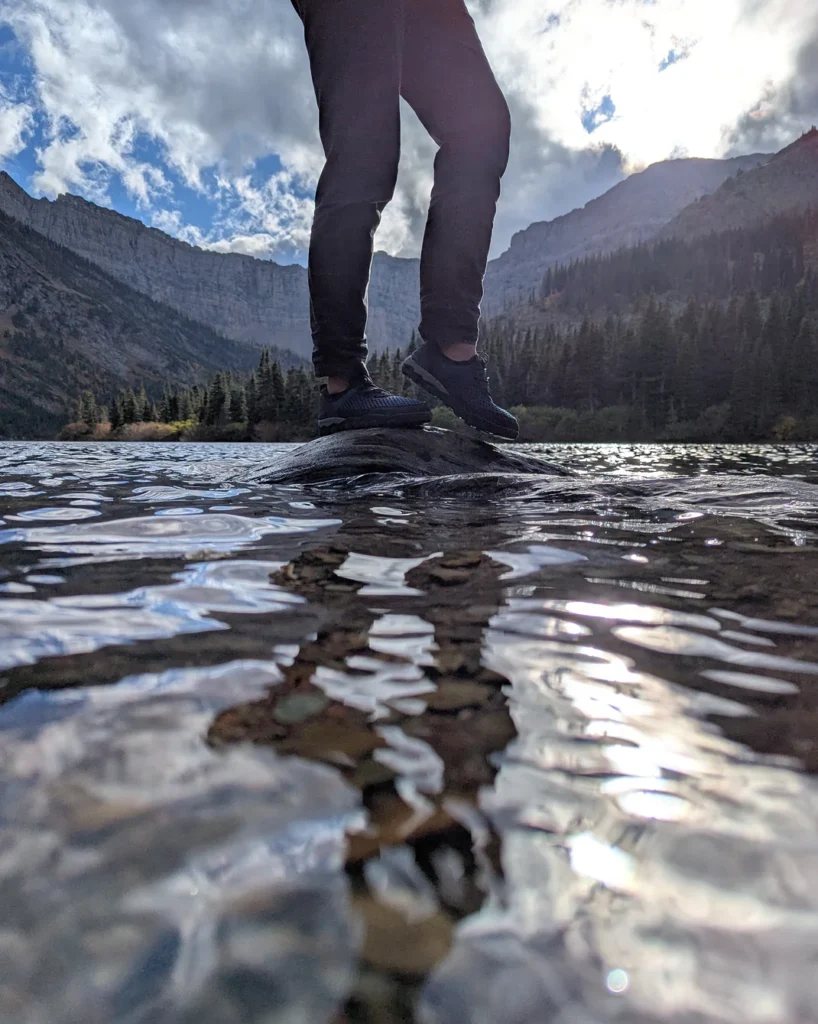
The impact of changing what you wear on your feet resonates throughout your entire musculoskeletal system. Research has shown that consistent use of minimalist footwear can increase foot muscle strength by a significant margin. When the foot isn’t “cast” in a rigid shoe, the arches must work to support the body’s weight, effectively acting as natural springs.
Furthermore, improved ground feel leads to enhanced balance. This is particularly beneficial as we age or when we navigate uneven terrain. By receiving more information from the thousands of nerve endings in the soles of our feet, we become more agile and less prone to stumbles. Many users also report a reduction in common issues like bunions or hammertoes, as the feet finally have the space to return to their natural alignment.
Barefoot Shoes in the Wild: Hiking and Athletics
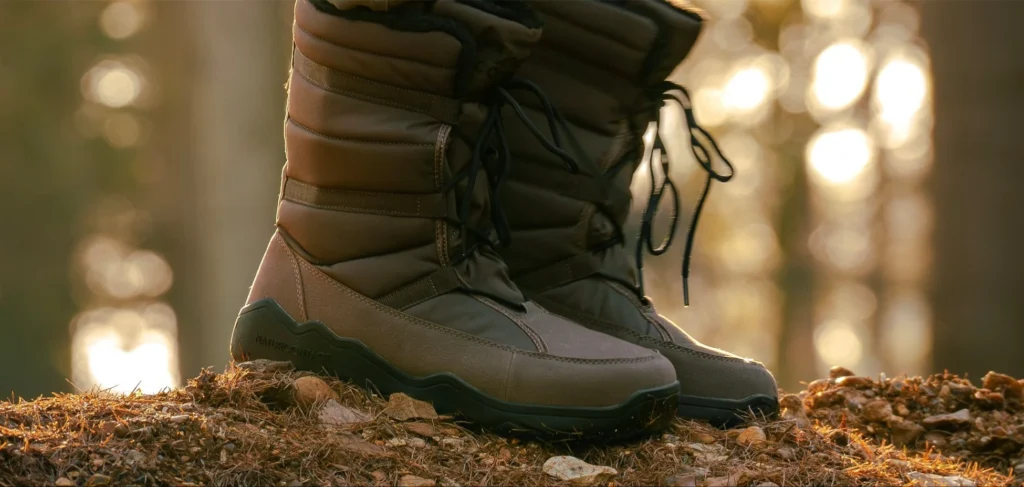
While many begin their journey with casual daily wear, the benefits are perhaps most noticeable during physical activity. In the world of hiking, the transition to minimalist boots has gained a following among those who want to feel the texture of the trail.
Traditional hiking boots often rely on heavy, stiff soles to protect against rocks. While protective, they can also make the ankle “lazy” and increase fatigue due to their weight. Minimalist hiking alternatives offer aggressive grip without the bulk. This allows the foot to wrap around obstacles like roots and stones, providing a level of traction and control that a stiff sole simply cannot match. For athletes, particularly those in weightlifting or cross-training, the flat, stable base provided by these shoes offers a superior platform for generating power during squats or deadlifts.
How to Transition Safely and Effectively
You wouldn’t run a marathon without training, and you shouldn’t switch to minimalist footwear overnight if you’ve spent years in traditional shoes. The muscles and tendons in your feet and calves need time to adapt to the new workload.
Start with short durations
Begin by wearing your new shoes for 20 to 30 minutes around the house or during a quick errand. This allows your brain to get used to the increased sensory input and gives your Achilles tendon—which may have shortened due to years of wearing elevated heels—a chance to stretch gently.
Listen to your body
It is normal to feel some soreness in the arches or calves during the first few weeks; this is often a sign of muscle activation. However, sharp pain is a signal to slow down. Consistency is more important than speed when it comes to rebuilding the structural integrity of your feet.
Incorporate foot exercises
To support the transition, consider performing simple exercises like toe curls or picking up small objects with your feet. Stretching the calves regularly is also essential to maintain flexibility as your gait shifts toward a more natural pattern.
See related: A Practical Guide to Transitioning into Barefoot Shoes
The Sustainability of Natural Movement
Interestingly, the movement toward minimalist footwear often intersects with environmental consciousness. Many manufacturers in this space prioritise sustainable materials, such as recycled rubbers and bio-based fabrics. Because these shoes often lack complex plastic air units or chemical-heavy foams, they can be designed with a smaller carbon footprint. Choosing quality over quantity ensures that your gear lasts longer, further reducing the environmental impact of your wardrobe.
Embracing this change is more than just a style choice; it is a commitment to understanding your own biology. By removing the barriers between ourselves and the earth, we rediscover a way of moving that is efficient, powerful, and deeply rewarding.
While you are here, why not check out more of my fashion posts? Please support me by sharing this page too.

