
AD – guest post. Barefoot shoes have gained significant popularity over the past decade, appealing to those who value health, natural movement and sustainability. Designed to mimic the experience of walking without footwear, they allow the body to move as nature intended, strengthening muscles and improving posture.
But switching from traditional footwear to barefoot shoes is not something to be rushed. The transition requires patience, awareness and a gradual approach to avoid discomfort or injury. This guide will help you understand how to adapt smoothly and reap the long-term benefits of barefoot shoes.
Why Transitioning Matters
Most people spend years wearing cushioned trainers, dress shoes or boots that restrict the natural function of the feet. Elevated heels, arch support and narrow toe boxes all alter biomechanics. Removing this support suddenly forces the muscles, tendons and joints to work in unfamiliar ways.
Without a careful transition, this can lead to tight calves, sore arches or even overuse injuries. A progressive approach gives the body time to adapt, ensuring barefoot shoes deliver their full potential.
Step 1: Start Small
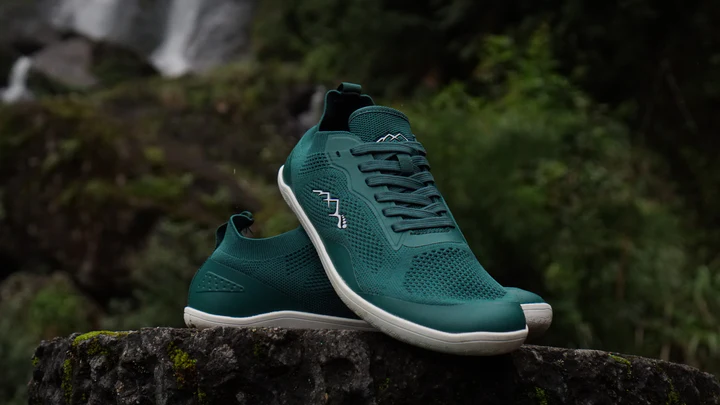
Begin by wearing barefoot shoes for short, low-impact activities. Examples include:
- Walking around the house
- Short errands
- Gentle strolls in the park
Keep the sessions brief – 10 to 20 minutes per day at first – and increase gradually. Your goal is to let your feet experience the new sensations without overloading them.
Step 2: Alternate Footwear
In the first weeks, it is wise to alternate barefoot shoes with your traditional footwear. Just as you wouldn’t train the same muscle group intensively every day, your feet also need recovery time as they strengthen. Alternation reduces strain while building long-term resilience.

Step 3: Strengthen Your Feet
Supporting your transition with simple exercises will speed up adaptation. Effective options include:
- Toe spreads to improve mobility
- Calf raises for ankle strength
- Balance drills to boost proprioception
- Barefoot walking on grass to train natural stability
These activities help prepare your feet for the demands of barefoot walking and running.
Step 4: Increase Time Gradually
After a few weeks, extend your wear time. Move from 20 minutes to one hour, then gradually to half a day. Always pay attention to your body’s signals: mild soreness is a sign of adaptation, while sharp pain means you need to slow down.
Step 5: Add More Demanding Activities
Once you are comfortable walking and standing in barefoot shoes for extended periods, you can start using them for:
- Running short distances (preferably on soft ground)
- Gym training, such as weightlifting, where a stable base is essential
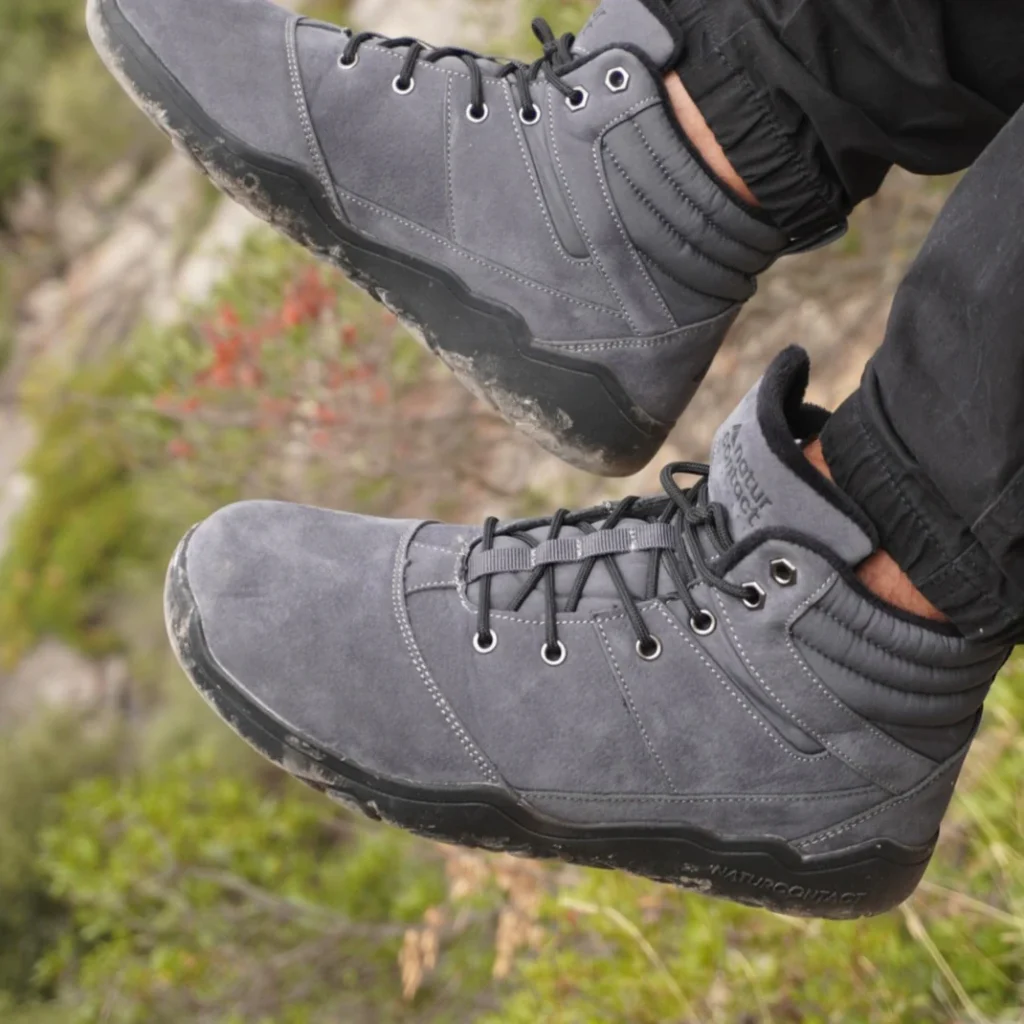
- Outdoor adventures, with barefoot shoes designed for hiking or trekking
Take it slowly. Many people need several months to fully adapt, and that is completely normal.
Common Mistakes to Avoid
To make the transition smooth and safe, avoid these common errors:
- Wearing barefoot shoes all day immediately – this can overwhelm your muscles.
- Ignoring discomfort – mild soreness is fine; sharp pain should not be ignored.
- Skipping strengthening exercises – they make adaptation much easier.
- Running long distances too soon – build up gradually to prevent injury.
The Broader Benefits
Transitioning to barefoot shoes is not only about strengthening the feet. The change often results in:
- Improved posture due to a more natural alignment
- Better balance and coordination from enhanced ground feel
- Greater mindfulness through increased awareness of movement
- Sustainability benefits, as many barefoot shoes use eco–friendly materials
These outcomes make them more than just footwear – they become part of a healthier, more intentional lifestyle.

A Note on Variety
Today’s barefoot footwear market offers plenty of choice, from casual sneakers to professional–looking shoes and outdoor models. This means you can easily integrate them into different areas of life, whether at work, in the gym or during weekend adventures.
There are also specific collections, such as barefoot shoes for men, ensuring that everyone can find a model suited to their lifestyle and preferences.
Conclusion
Transitioning to barefoot shoes is a gradual journey that rewards patience and consistency. By starting small, alternating with traditional footwear, strengthening your feet and progressing slowly, you can experience the full benefits of this minimalist approach.
With improved posture, balance and mindfulness – as well as the satisfaction of a more sustainable choice – barefoot shoes offer a path towards healthier and more natural movement.

