

*Collaborative post. Restoring or maintaining a classic car is a rewarding experience, but it comes with its share of unique challenges. Something that can be surprisingly difficult is to choose the right fasteners. These small but important components hold everything together, from your car’s body panels to the engine parts.
With a variety of fastening products on the market, it’s essential to know which ones are best suited for your car. Using the wrong fastener could lead to wear and tear, damaging your vehicle over time.
That’s why in this article, we’ll help you understand how to choose the right fasteners for classic cars, ensuring that your vehicle remains both secure and authentic. If you’re just beginning a car restoration project, selecting the correct fasteners will help you preserve the integrity and safety of your vintage vehicle.
Understanding Fastener Materials
When you’re choosing fasteners for classic cars, the material they’re made from is just as important as their size or type. Different materials offer various strengths, resistance to corrosion, and durability, and you’ll need to select the right one for your specific needs.
Common fastener materials include steel, stainless steel, and aluminium. Steel is strong and widely used, but it can rust if it isn’t treated. Stainless steel is rust-resistant, making it ideal for parts exposed to moisture, but it’s not as strong as regular steel. Aluminium fasteners are lightweight and corrosion-resistant, but they’re best for non-structural parts since they’re also not as strong.
To choose the best material, you need to understand the environment your car will be in (such as its exposure to rain or salt) and the stresses on specific components. Choosing the right fastener material will ensure that your classic car stays secure and looks great for years to come.

Ensuring Compatibility with Vintage Models
When you’re working on restoring a classic car, it’s important to ensure that the fasteners and studs you choose are compatible with the vehicle’s original design. Many vintage models used specific fasteners that might not be readily available today, so you’ll need to match the original specifications as closely as possible.
Using modern fasteners that don’t fit properly can affect the car’s appearance and performance. For example, mismatched thread sizes or materials can lead to loose or stripped parts over time.
One way to ensure compatibility is by referring to the car’s manual or consulting a specialist like a Northampton car service centre who may understand the requirements of your specific model better. Some specialised suppliers also offer reproduction fasteners made to match vintage cars.
By making sure the fasteners are a good fit for your classic vehicle, you can preserve its authenticity and avoid potential problems down the road.
Protecting Against Natural Elements
Cars are often exposed to natural elements, which is why it’s essential to choose fasteners that can withstand harsh conditions. Moisture, salt, and temperature changes can cause rust and corrosion, especially if your car spends time uncovered outdoors.
Using rust-resistant fasteners, such as those made from stainless steel or zinc-coated steel, or treated with protective finishes, can help protect your vehicle from long-term damage. Stainless steel is a popular choice due to its natural corrosion resistance, while zinc-coated fasteners provide an additional layer of protection.
If you’re restoring parts of the car that will be frequently exposed to water or road salt, such as the undercarriage or wheel wells, make sure the fasteners you use can endure these conditions. You could also add a rust inhibitor or sealant to vulnerable fasteners for classic cars to further increase their lifespan.
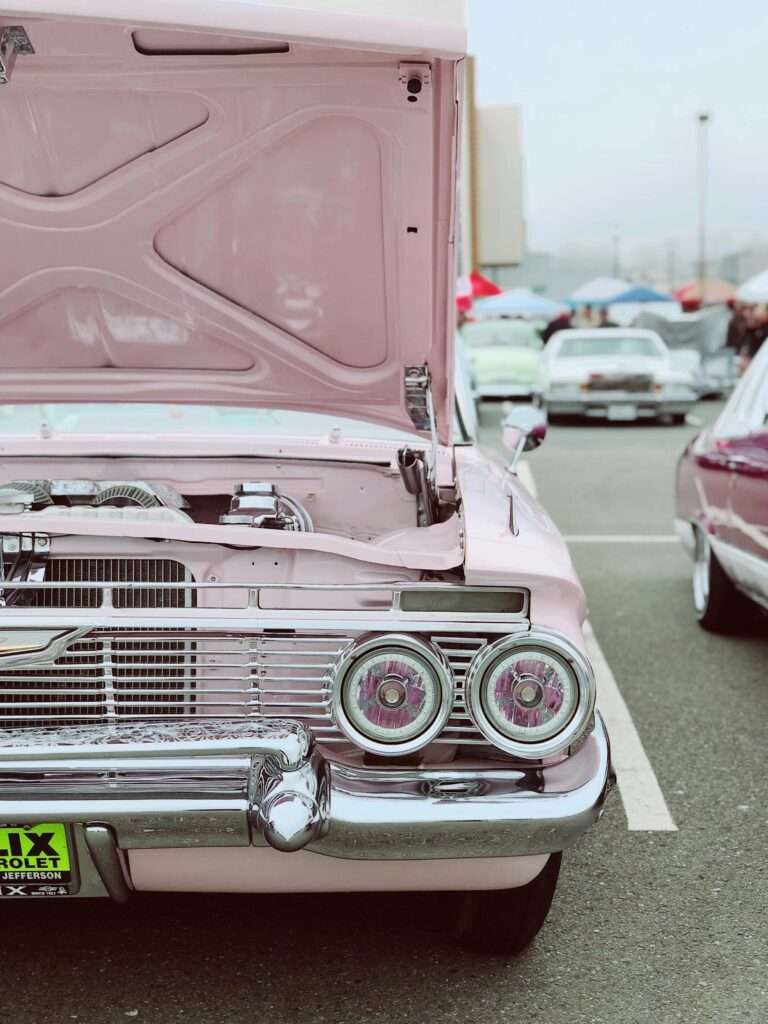
Authenticity in Restoration
When you’re restoring a classic car, maintaining authenticity should be among your top priorities. The fasteners you use play a key role in preserving the original look and feel of the vehicle. Authentic fasteners will not only match the car’s original design but also help maintain its value, especially for collectors.
While modern fasteners may be more easily available, they might not align with your car’s vintage aesthetic. For example, certain older cars used slotted screws or unique bolt heads that are no longer common today. Finding reproduction fasteners or sourcing original parts can help you stay true to your car’s history.
If you’re unsure about how to pick authentic fasteners for classic cars, you can get all the guidance you need by referring to factory manuals or consulting experts who specialise in vintage cars.
Staying authentic in your car restoration will ensure that your vehicle remains as close as possible to how it looked when it first rolled off the production line. Moreover, if you run a garage business and are restoring a vintage car for a client, make sure you use the right garage invoicing software to track the costs, as these can be quite expensive.
Avoiding Common Mistakes in Fastener Selection
Selecting the wrong fasteners for your classic car can lead to problems that are costly and time-consuming to fix. One common mistake is choosing fasteners based solely on availability or appearance without considering their material, size, or purpose. For instance, if you use a weaker fastener for a high-stress area, like the engine mount, it can lead to failure over time.
Similarly, selecting fasteners with incompatible thread sizes can result in stripped or loose fittings, reducing your car’s safety and stability. Another error is ignoring the importance of corrosion resistance, especially for parts exposed to moisture, such as the undercarriage or wheel wells. It’s also easy to overlook authenticity, which can impact your vehicle’s value if incorrect fasteners are used.
To avoid these pitfalls, always refer to your car’s manual, consult experts, and invest in high-quality, appropriate fasteners. With careful selection, you’ll ensure your classic car remains safe, functional, and true to its original charm.

How to Find Authentic and High-Quality Fasteners
Finding authentic and high-quality fasteners for your classic car can be a challenge, but it’s essential for maintaining both functionality and originality. Start by consulting your car’s manual or restoration guide, which will give you detailed information about the types of fasteners used in the original build.
Many speciality suppliers cater specifically to vintage car enthusiasts, and they offer reproduction fasteners designed to match factory specifications. These suppliers can be a reliable source for parts that look and perform like the originals.
Additionally, when you’re shopping, prioritise quality over cost. Poorly made fasteners may seem like a bargain but they can fail under stress, leading to more issues. That’s why you’ll need to look for materials like stainless steel or zinc-coated fasteners, which provide durability and rust resistance.
Online forums and car enthusiast groups can also help you locate trusted suppliers. Overall, by sourcing authentic and high-quality fasteners, you’ll preserve your car’s heritage and ensure it remains safe and reliable.
To Sum Up
Choosing the right fasteners for your classic car is more than just a technical detail – it’s an important step in preserving its safety, performance, and authenticity.
With these tips, you can enhance your restoration project. Sourcing authentic, high-quality fasteners from trusted suppliers will also ensure your car remains true to its original design and ready to stand the test of time.
With careful planning and attention to detail, your classic car can continue to shine as a timeless piece of automotive history.
Please support me by sharing this post and checking out more of my car-related content.


