

AD – We all have those days that start off fine, until something unexpected happens. Workplace injuries can leave you feeling overwhelmed, sore, and unsure of what comes next. Whether it’s a slip, fall, or repetitive strain injury, knowing what to do after you’re injured at work is crucial for your health and your rights.
This guide walks you through exactly what to do after a work-related injury.
Not sure where to start? Visit Accident at work claims to explore your legal options and speak with a compensation specialist.
Listen to Your Body and Take Workplace Injuries Seriously
Even a minor injury at work can lead to bigger problems if ignored. Maybe you tweaked your back lifting a box or slipped on a wet floor. It’s easy to brush it off and power through, but if something feels wrong, stop and assess.
Your body has ways of telling you when something’s not right. That ache, sharp pain, or persistent soreness? That’s your cue to act. Early attention can prevent long-term damage and help you recover faster.

Report the Injury to Your Employer Immediately
This step is key – report your injury to a supervisor or manager as soon as possible. In many places, there’s a limited time window to report a workplace injury and qualify for workers’ compensation benefits.
Even if the injury seems minor, documenting it helps in case symptoms get worse later. Be sure to:
- Report it verbally and in writing
- Note the date, time, and what happened
- Ask for a copy of the incident report
Pro tip – Use phrases like “workplace accident,” “injured on the job,” or “on-site injury” when writing or speaking about it. These help create a clear record.
Get Medical Treatment – Even for Small Injuries
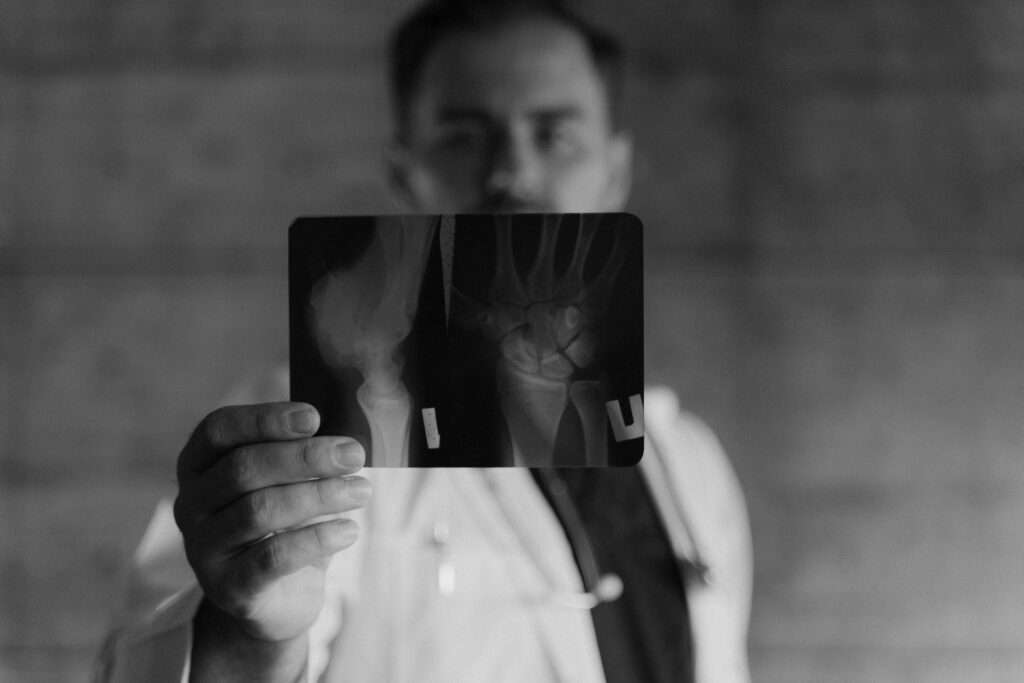
Always seek medical attention after a work injury, even if you think it’s no big deal. Many workers’ comp policies require that you see an approved doctor, so check with your employer.
Tell the doctor it’s a work-related injury and explain all your symptoms, even the small ones. Keep copies of everything: diagnoses, prescriptions, and any restrictions the doctor gives you.
If symptoms develop over time (like repetitive strain or stress-related injuries), don’t wait. You can still file a report and seek care.
Know Your Rights Under Workers’ Compensation
Workplace injury laws vary, but most employees are entitled to:
- Medical expenses coverage
- Lost wages compensation
- Rehabilitation or therapy services
You don’t need to prove anyone was at fault; you just need to show the injury happened at work or while performing work duties. If your employer denies the claim or delays benefits, you have the right to appeal.
Take Care of Your Mental and Physical Health
Work injuries affect more than just your body; they can bring stress, frustration, and anxiety. That’s why self-care is part of the recovery process.
Try to:
- Rest and follow medical advice
- Keep a recovery journal to track progress
- Talk to a counsellor or therapist if you’re struggling
Most importantly: don’t blame yourself. Getting injured at work doesn’t mean you’re weak – it means you’re human.
Final Thoughts: Protect Your Health and Your Rights
A workplace injury can be disruptive, but knowing what to do afterwards can make the process smoother and less stressful. From reporting the incident to understanding your legal rights, every step you take helps protect your future.
Remember, you deserve to feel safe, supported, and heard – especially when something goes wrong on the job.
Please support me by sharing this post, and check out more of my health posts.


