


AD – Guest post. Healthy adults need between seven and nine hours of sleep every night, but a baby can easily knock your slumber down to four hours or less. This article will show you 9 sleep tips for new parents.
It’s hard to function when you are sleep-deprived, and exhaustion can quickly spiral into post-natal blues, anxiety, and depression. Feeling awful after no sleep is normal, but feeling trapped and helpless is even worse.
While we can’t stop your baby from needing two to three feeds per night, there are things you can do to fall asleep faster when the opportunity arises. This article explores ways to sleep better when you have a baby.
Let’s jump in!
Recognise active sleep to avoid pointless stimulation
Your baby has two types of sleep – active sleep and quiet sleep.
During active sleep, your baby moves around and makes lots of noises which is NOT YOUR CUE to pick them up and give them a feed.
You should ignore active sleep and focus on your sleep rather than your baby’s. To do this, you must recognise active sleep so you are not tempted to soothe your baby. It’s normal for your baby to grunt, cry, and scream in active sleep.
Get a comfortable mattress
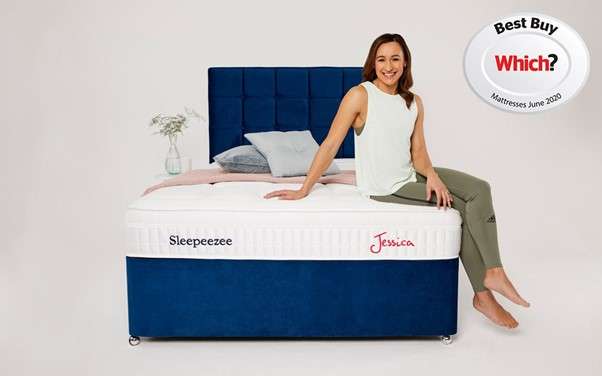
Comfort is everything when you’re doing night feeds and trying to sleep. A mattress that balances support and comfort (medium or medium-firm) is best for most people, with firm mattresses suited to people over 230lbs. Check out our award-winning mattresses for ideas.
Get a bigger bed
If your bed is too small, you can feel hindered when trying to sleep. If you have a double bed right now, check out our range of king-size beds to unlock 15cm more width and 10cm more length – this can make all the difference to sleeping better.
Don’t bed share
While it’s tempting to stick your baby next to you in bed, this will only affect your sleep as you consciously try not to roll over them.
Sleeping with your baby opens the door to fatal sleeping accidents and increases the risks of unexpected death in infancy (SUDI).
It’s best to have a crib for your baby in your bedroom to have your own space – this will ensure you have some freedom.
Avoid caffeine at all costs
Caffeine stimulates the brain and affects sleep up to six hours after consumption, making it a no-no if you want to get to sleep.
Chocolate, desserts, cereals, coffee, energy drinks, protein powders, and even non-dark fizzy drinks like lemonade can contain caffeine.
Keep your bedroom lighting low
The trick to good sleep for you and your baby is low, consistent lighting, and the best device for this is a night light you plug into a socket.
Night lights emit enough light to see what you are doing but not enough to disturb you or your baby when you wake up.
Breaking routines isn’t always bad
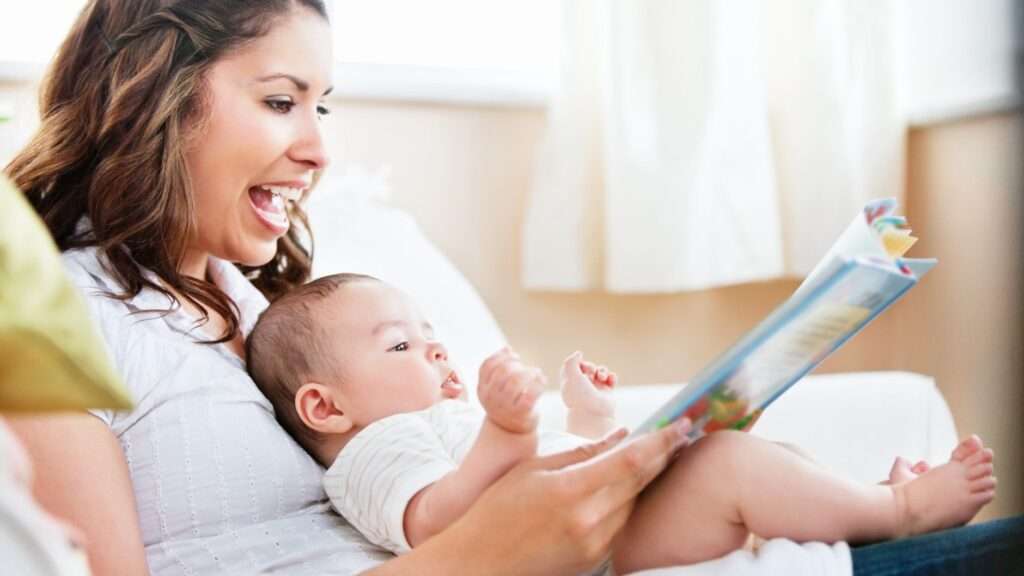
While it is good practice to change your baby’s nappy at set intervals and wake them up for a feed, sometimes they should sleep.
For example, if you have had a terrible night, letting them sleep for several hours in the morning before waking them won’t do any harm.
You can use this time to get some shuteye in the same bedroom, so you can still keep an eye on them and follow your instincts.
Move baby to their room when ready
While it is daunting to move your baby to their room, after six months, there is no need for them to be in the same room as you.
Six months is the perfect time to introduce your baby to their room, and while you might have a few teething problems, it won’t take long for them to adjust.

Don’t agonise over lost sleep – do something productive instead!
When you can’t sleep, there’s no use agonising over it. Getting up and doing something productive – the dishes or sterilising bottles – will give you a small win and help keep your anxious mind off your baby for a little while.
You could read a book, watch a movie, or jump on an exercise bike – exercise can help you sleep better and make you feel good about yourself.
Final words
If you can’t sleep, don’t beat yourself up! You are not a rubbish mum/dad because you don’t get enough sleep and feel exhausted, angry, and upset.
Sleep blues are perfectly normal for new parents, and they get better over time – eventually, most children self-soothe and require less nightly attention.
What other sleep tips for new parents do you know? Let me know in the comments below and while you are here why not check out more of my health posts?
Please support me by pinning this post.


