AD – Guest post. Creating a sensory garden for kids that caters to both your child’s need for play and imagination and your own desire for a stylish, contemporary look is easier than it sounds. A sensory garden doesn’t have to mean bright plastic clutter or chaotic landscaping. Instead, with a few intentional design choices, you can make a space that offers endless play opportunities for your child while maintaining a sleek, modern aesthetic you’ll love. Here are some tips to craft a sensory garden that includes practical and engaging features like a climbing frame for kids and a playhouse with kitchen, all while blending beautifully into your garden’s style.
1. Define Play Zones to Maximise Space and Purpose
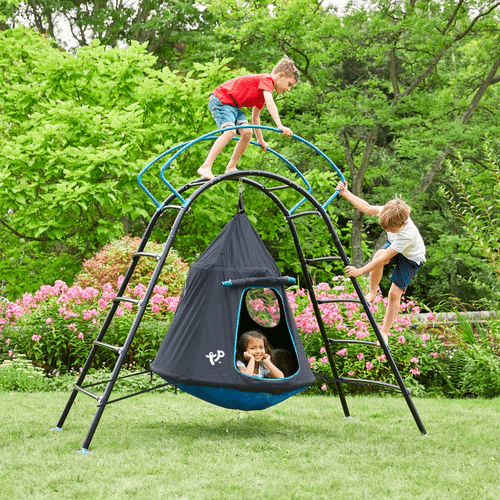
Firstly, consider dividing your garden into designated zones to keep the space both organised and inviting. A structured layout not only enhances visual appeal but also helps children engage with various activities without feeling overwhelmed. Set up a dedicated area with a climbing frame for kids, providing them with a physical outlet to build motor skills and resilience. Opt for a wooden or metal frame that complements the natural tones in your garden – rustic timber, for example, fits perfectly with a modern minimalist look, while painted steel can lend a contemporary edge.

2. Choose a Stylish Playhouse with Kitchen to Inspire Creativity
A playhouse is a sensory garden staple, encouraging imaginative play where children can create their own stories. By choosing a playhouse with kitchen, you’re adding an extra layer of sensory exploration – the little ones can ‘cook’, serve ‘meals’, and play with textures, scents, and sounds. Look for playhouses that feature a sleek, compact design. Options with natural wood or soft, muted colours can add a timeless, modern touch to your garden, blending well with existing outdoor decor.
Position the playhouse near low-maintenance plants, such as lavender or rosemary, to introduce children to natural scents that enhance sensory stimulation. This approach teaches them about nature and adds a subtle yet beautiful fragrance to your garden.
3. Integrate Interactive Plantings for a Tactile Experience
A sensory garden wouldn’t be complete without plants that engage the senses. Incorporate soft grasses like lamb’s ear or tactile plants like succulents into the design, encouraging kids to touch and feel. These can serve as natural barriers between zones and add texture. You can even incorporate small planters within easy reach of the playhouse or climbing frame, where children can grow their own herbs, introducing them to gardening and teaching them responsibility.
If you’d prefer a sleek, polished garden look, consider arranging plants in geometric pots or planters that align with your garden’s modern aesthetic. Raised beds in sharp, rectangular shapes or rounded concrete planters will keep the garden looking orderly and stylish, allowing the sensory elements to be enjoyed without compromising visual appeal.
See Related: Storage Ideas and Tips for a Tidy Garden All Year
4. Add Natural Sound Elements to Enrich the Space
Consider sound as an essential component of your sensory garden. Install wind chimes or bamboo clappers in strategic places, like near the climbing frame or along the edges of the play area, to create soothing sounds when the wind blows. The gentle tones enhance your child’s sensory experience and lend a calming atmosphere for adults relaxing nearby.
Alternatively, a small water feature can bring both sound and visual interest. Choose a sleek, modern fountain to keep the look cohesive while adding gentle sounds that stimulate the auditory senses.
5. Create Comfortable, Stylish Seating for Family Gatherings
A sensory garden is not only for the kids – it’s a space for the entire family. Incorporate comfortable yet stylish seating for those sunny afternoons when you can watch your children play. Consider materials like woven rattan, teak, or even modern metal designs, depending on your preferred look. Place seating near the playhouse with kitchen or even the climbing frame for kids, ensuring you can keep an eye on the little ones while enjoying the space yourself.
6. Illuminate for Evening Play and Relaxation
Lighting can transform your garden into a magical space after dark. Opt for warm-toned, modern lighting – like low-profile spotlights or subtle fairy lights – to keep pathways and play zones visible while maintaining a cosy atmosphere. Well-placed lighting also enhances the garden’s visual appeal, so you can appreciate it anytime. You could even try neon signs in a certain area of the garden to give it a fun vibe.
Final Thoughts
Designing a sensory garden that combines playfulness for your children with a refined, modern aesthetic is all about balance. With a thoughtfully chosen climbing frame for kids, a stylish playhouse with kitchen, and elements that stimulate the senses, your garden will become a beautiful and functional space that the whole family can enjoy – fostering imagination and exploration without sacrificing style.
If you enjoyed this post, then please consider supporting me by pinning the below and check out more of my home posts.