
AD – Guest post. Taking naps is a big part of many people’s lives and cultures. One study suggests that a third of U.S. adults take naps regularly. Many often confess that napping helps them recharge and relax, while others term it impractical and distortive to healthy sleep patterns. Before jumping to conclusions, you should note that there are many pros and cons of taking a nap.
Overall, catching a mid-day siesta often comes with numerous health benefits. However, naps may not be a good thing for everyone. You must carefully consider every logical element that comes to play before catching a nap at the workplace, or else suffer the consequences. By learning the intrinsic role of napping, you can make your naps more effective and supportive of your internal biological clock and metabolism.
There are several pros and cons of a nap, including:

Pro: More Alert
Naps often make you more alert and energized, as your brain is starting to drain. Power naps often help the brain get rid of sleep-inducing stimulants and replenish energy stores.
It works to improve cognitive functions, hence leaving you feeling more alert. Especially if you have a long day or need a moment to bring down stress, a nap can be a great option.
Pro: Catch Up on Sleep
If you did not get a good night’s sleep, a nap could help you recoup some of that time you lost. The best sleep is during the nighttime, as you can get into deeper REM cycles that work to clean and rejuvenate the brain and body. No matter the reasons for undersleeping, sleep deprivation often makes one feel tired throughout the next day.
However, a nap is a good alternative for those lacking a good night’s sleep. A simple recovery nap can help compensate for sleep loss and make you feel extra refreshed for a few hours.
Pro: Better Memory
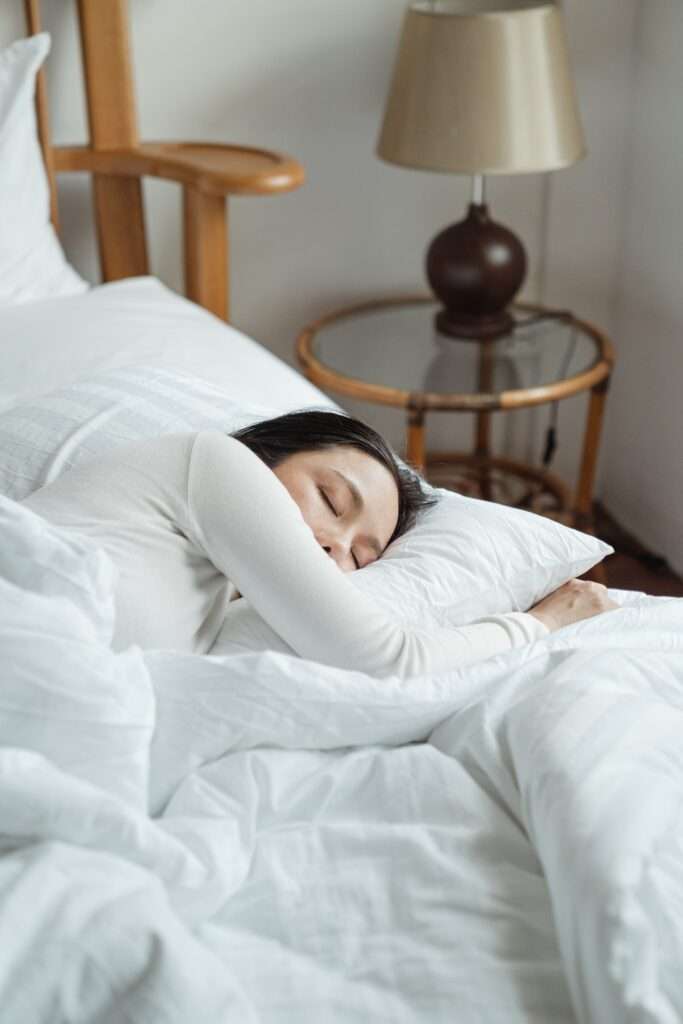
One study found that those who nap often tend to have a better memory. Sleep cleans the brain of toxins and helps ward off neurological conditions like dementia and Alzheimer’s disease. Sleep also consolidates memories to help process and remember information better.
A good nap often promotes memory consolidation by improving activation of the hippocampus—the part of your brain that controls learning and memory function. In return, taking a quick nap can help you recall facts and retain new information better.
Con: You Are Sleep Deprived
Sleep deprivation is a serious condition that can have major health ramifications. If you suffer from chronic sleep deprivation, see a doctor immediately as this can be a major risk to your and others’ health.
Boost your nighttime routine with some calming techniques, avoid lights and screens, and invest in a comfortable mattress. Look for high quality options like Nolah Mattress which can improve sleep quality by cushioning pressure points and supporting proper spinal alignment.
Con: Sign of Other Conditions
Feeling the need to take regular naps during the day can also be signs of other health conditions, like diabetes, heart disease, and depression. If your urge to nap is consistent and powerful, see a doctor to ensure you are not dealing with a bigger problem than feeling tired. Tiredness can also be a sign of seasonal depression. Try to stay energized and healthy to help ward off the winter blues.
Con: May Impede Nighttime Sleep
Taking a nap may feel like the energy boost you need, but it can harm your normal nighttime sleep. Keep naps short and early enough that you have time before bedtime to get tired again.
If you happen to nap too late in the day or make it longer, you might have problems falling or staying asleep at night. This can generate a vicious cycle of losing sleep. If you take regular naps, this could prevent you from getting a good night’s sleep.

Is Taking a Nap Worth it?
It is normal to feel the urge to nap occasionally, even if you are in good health or relatively younger. Although napping might not always be an option for everyone, it can be very beneficial when done right.
If you happen to get the urge more frequently, this could indicate an underlying health problem. If this is the case, you must consider examining your sleep hygiene and routine to identify the main problem. Be sure to consult your healthcare provider about your more serious sleep needs. Otherwise, you can quickly boost your nighttime sleep routine by getting a comfortable mattress and avoiding bright screen lights before bed.
What did you think, are you going to go and have a nap now? Let me know in the comments below and before you have a nap why not check out more of my health posts or lifestyle posts?
Why not support me by pinning this post?


